
Become a Master Pruner
There are two ways to access classes required to finish the Master Pruner program and receive your Master Pruner Certificate. Taking classes through either route, or a combination of both, all counts toward completing the requirements.
PA hosted MP classes are typically held in the morning on weekends, roughly one class per month, and are typically in-person held at venues across Seattle and the east side. These are sit-down lecture style classes; hands-on practice is gained at the workshops.
These classes are well suited for homeowners, avid gardeners, and horticulture professionals with a busy weekday schedule. Continuing education credits are not yet offered through this route.
UWBG ProHort classes are hosted by the UW Botanic Garden’s Adult Education Program and presented twice a year in a winter (Feb-Apr) and summer (Jul-Sep) series. ProHort teaches the Master Pruner series, either online in a live webinar format or in-person, at an accelerated pace that can be completed in six weeks. The online classes are taught by PlantAmnesty instructors but are held on a weekday, with two classes per day.
These classes are well suited for professionals and those looking to incorporate pruning into their career. Automatic professional continuing education credits (ISA, APLD, CPH, Eco-Pro) are applied through this route.
The ProHort program also offers several other technical classes useful for horticultural professionals and we encourage you to check them out.
Once you have completed some or all of the classes through either or both options above, begin registering for the hands-on workshops to complete the Master Pruner Certificate. Note that workshops require you have taken certain classes before attending. There is currently no certificate option for attending the lecture portion only. See FAQs below for more information.
The Master Pruner Certificate is awarded when a student has completed all the classes and workshops below.
Twelve pruning classes, made up of:
Ten core classes:
Tree Pruning I, II, III
Shrubs I, II, and III
Fruit Trees
Hedging Your Bets: Pruning Art or Pruning Horror
Prune and Renovate the Overgrown Garden
Corrective Pruning
Two of the offered additional specialty classes:
Japanese Pruning
Vine Pruning
Conifers
Roses
2. Three full-day, hands-on workshops
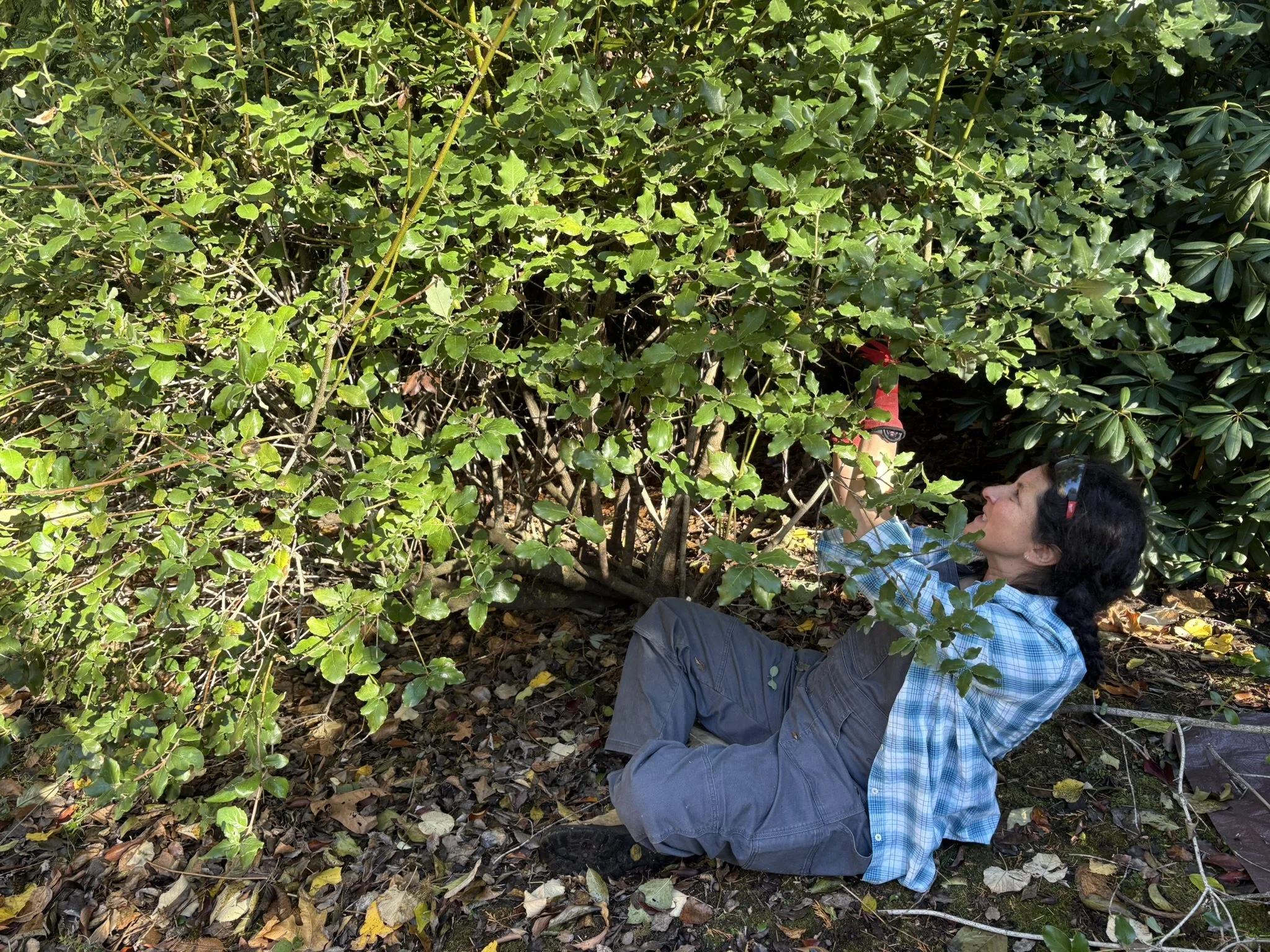
Two Renovation workshops
One additional workshop, either a specialty workshop or another Renovation workshop
Route 1: PlantAmnesty MP Weekend Classes
Route 2: UWBG ProHort MP Classes for Professionals
This lecture series, offered twice annually in partnership with the UW Botanical Garden and PlantAmnesty, is designed for those who work in landscape maintenance. Each lecture provides information on tools and techniques for quality pruning with better long-term results and customer satisfaction. This series will run in-person in the summer of 2026 and virtually via Zoom in the winter of 2027.
Professional continuing education credits pending: APLD-2, CPH-2, ecoPRO-2, ISA-2, NALP/WALP-2, LACES-2 for each 2-hour lecture.
To receive PlantAmnesty’s Master Pruner Certification, students must attend 12 lectures and 3 hands-on workshops. Registration through UW Botanic Gardens ONLY includes the 12 lectures. Registration for the hands-on workshops are through PlantAmnesty’s website. See below for upcoming hands-on workshops.
This program is discounted for PlantAmnesty members. Find the discount code on the Members Only page, in your membership confirmation email, or contact info@plantamnesty.org. Financial aid slots are available. Slots are limited and offered on a first-come, first serve basis.
I completed the program! Now what?
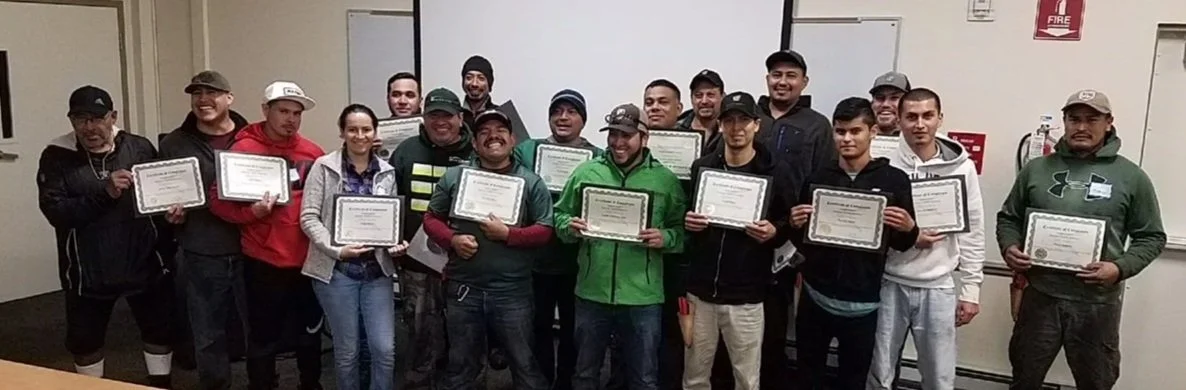
For horticulture professionals, the next step is to join our Referral Service to begin building business for your sharpened pruning skills.
The Referral Service is how PlantAmnesty gets your name out to inquiring homeowners and businesses looking for good gardeners and arborists. It’s also a community of peers sharing experiences and talking shop. Our member gatherings and surveys help you know how to charge for services and address some of the industry’s common challenges.
Keep up your membership to stay informed about specialty workshops, additional training opportunites, events, and the relevant topics covered at Pines & Pints!
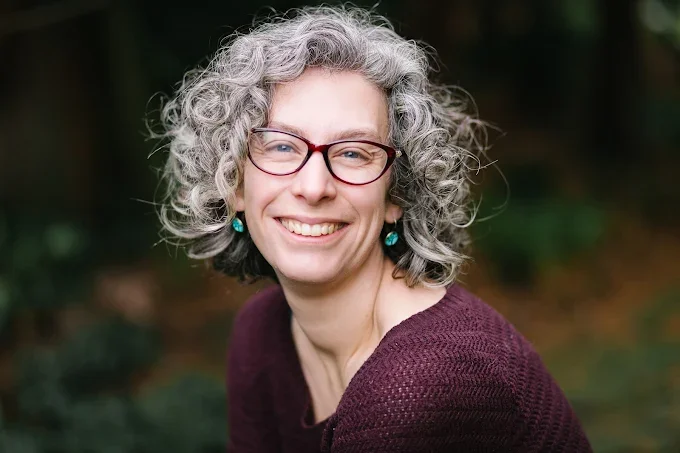
Our Instructors
Ellie Bender
Ellie Bender has been in the landscaping industry for about 15 years. After studying in the Edmond Community College horticulture program, she became an ISA-Certified Arborist, a pruning coach, and ran her own fine pruning business in the Seattle area.
She has taught and assisted at PlantAmnesty workshops and served on the PA Education Committee. Her areas of interest are sustainable practices, accessibility, and integrating food gardens into the landscape.
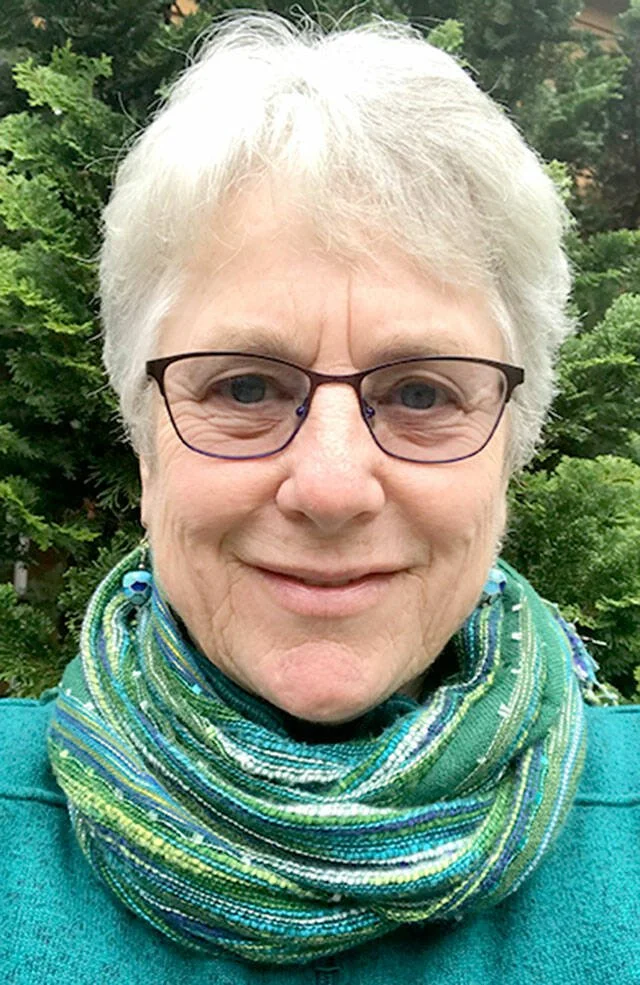
Bess Bronstein
Bess Bronstein is an ISA Certified Arborist, educator, and horticultural consultant based on the Kitsap Peninsula in Kingston, Washington. She brings 35 years of experience in arboriculture, landscape management, and garden design. Bess was an instructor for the Edmonds Community College horticulture program for 28 years, with a focus on courses in pruning and tree care, plant identification, plant pests and diagnosis, and soils. She frequently teaches public and professional arboriculture and horticulture courses throughout the Puget Sound. Bess is proud to be a lifetime member of Plant Amnesty, and supports ongoing education in sustainable landscape management practices and tree care.
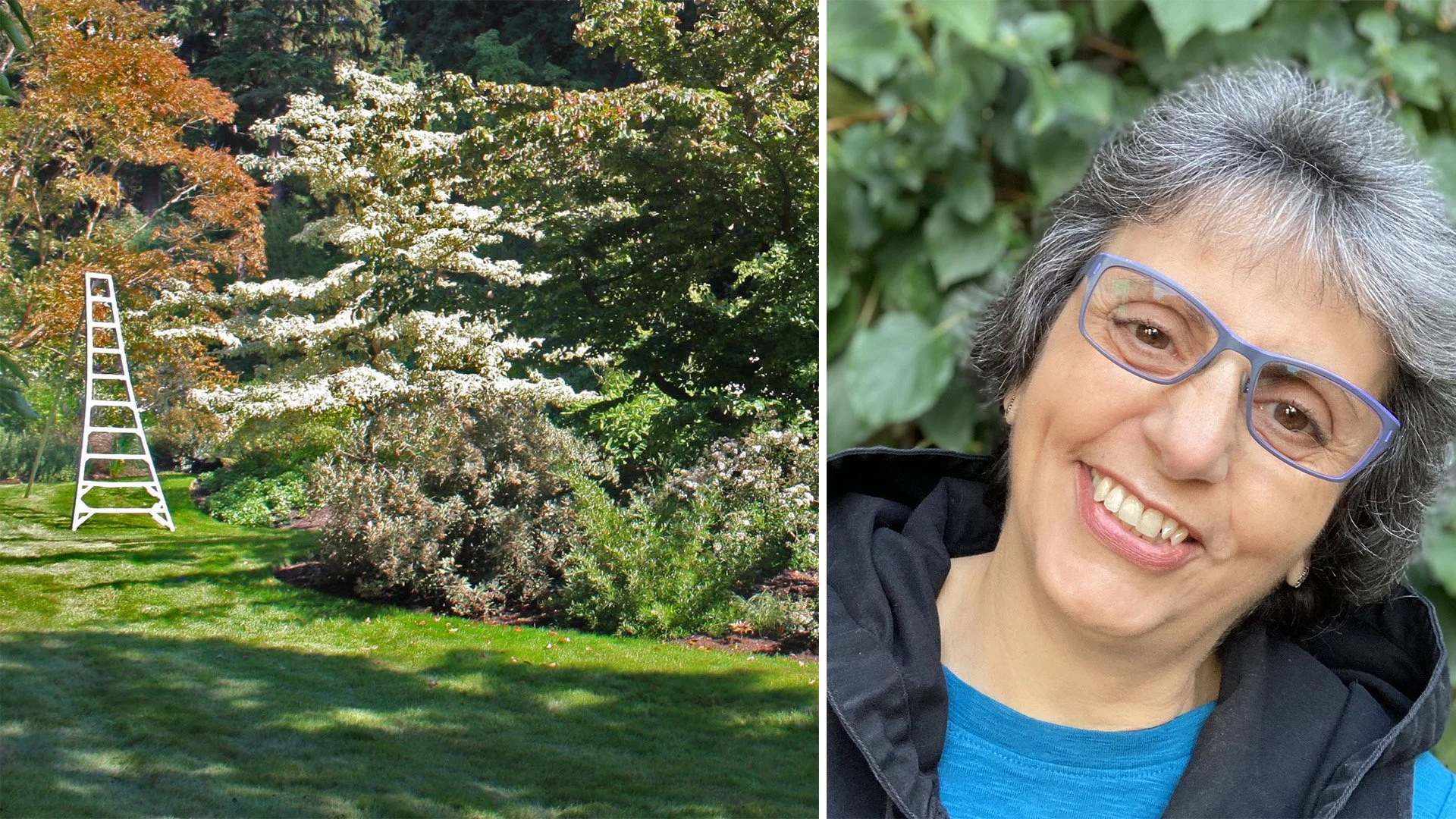
Christina Pfeiffer
Christina is a horticulture educator who has enjoyed a long career landscape horticulture. Sustainable and efficient landscape techniques are a special area of interest and expertise. She taught pruning at Edmonds Community College for 20 years, and only recently retired from that effort.
She still speaks regularly on pruning and other topics for many local groups and educational programs, and she is a highly valued instructor for PlantAmnesty. She holds degrees in horticulture from Michigan State and the University of Washington, and is an ISA Certified Arborist. Her book Pacific Northwest Month-by-Month Gardening includes current and practical pruning methods for northwest gardens.
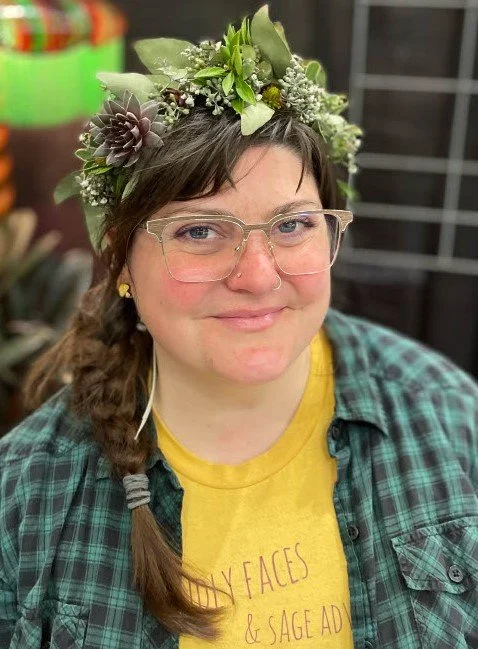
Kristin Jackson
Kristin has worked with plants in every corner of the industry, from retail to gardening to large-scale growing and propagation, and now as the Executive Director of PlantAmnesty.
She’s a Seattle University Alum, a horticulture grad from Edmonds College, and former owner of Seattle’s Urban Earth Nursery. With PlantAmnesty, she works on diversifying the reach of the Master Pruner program and expanding education and awareness on the social and climate effects of malpruning while honoring the passion and wit of founder Cass Turnbull.

Ingela Wanerstrand
Ingela Wanerstrand is a Certified Professional Horticulturist with more than 20 years of professional fruit tree pruning experience. She loves caring for fruit trees and also designing edible gardens and working side by side with homeowners to help them create their own beautiful and fruitful gardens.
Ingela is a longtime PlantAmnesty member and a frequent teacher at PlantAmnesty's pruning workshops and classes. She also often teaches a series of fruit production classes at Edmonds Community College.

Keith Dekker
Keith Dekker has been involved in horticulture for over 45 years. For the last 30 years his career has focused on the comprehensive care of residential landscapes in the Pacific Northwest.
He is a graduate of the 2017 Clallam County Master Gardener class, and has lived on the Olympic Peninsula for six years.
Keith contributes to his community by teaching classes and giving talks to promote best practices for successful, sustainable gardening.
Laura Watson
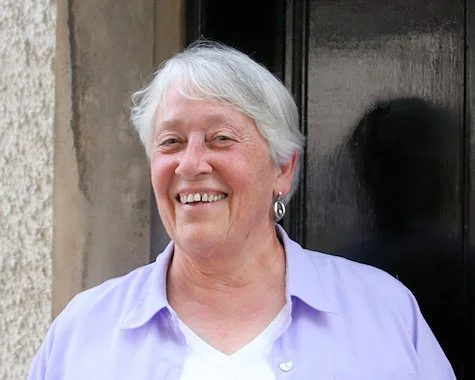
Laura has been gleefully growing clematis for over 20 years, first in her Boston garden where she left behind 50 clematis, and since 2005 in her Seattle garden where she currently has 100 clematis, and counting. Laura grows clematis everywhere—in trees and shrubs, scrambling over perennials, and on fences, trellises, and arbors. She loves to share her clematis knowledge with others. Laura is a member of the International Clematis Society, the British Clematis Society, and the Rogerson Clematis Society (in Portland). Laura is also a King County Master Gardener and a PlantAmnesty Master Pruner.
Ben Mark
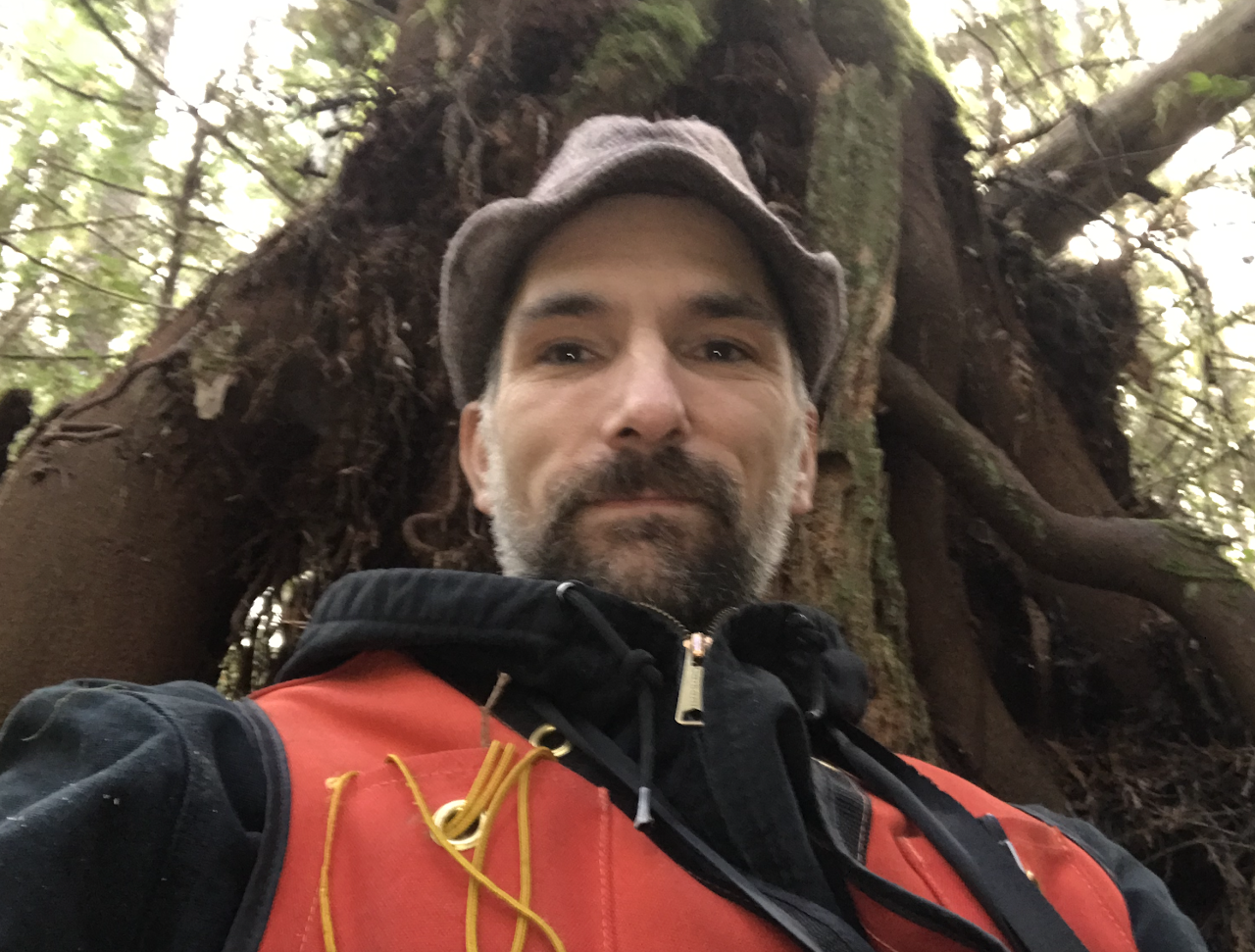
Ben Mark is a consulting arborist and urban forestry specialist based in Edmonds. Ben started his horticulture career while still in high school watering plants at Ernst Home Center. Over the following three decades, Ben’s roles have included nursery management, seminar instruction, landscape design, PHC, and fine pruning.
Ben’s current work focuses on arboricultural and silvicultural health assessments, tree preservation in development projects, and tree risk assessment. Since graduating from Edmonds College with an ATA in Restoration Horticulture and becoming an ISA certified arborist in 2010, he has worked with homeowners, architects, city planners, and conservation districts to retain or plant trees to increase urban canopy cover and encourage the preservation of valuable mature trees.
The Master Pruner Curriculum
Master Pruner Classes (all required for MP Certificate)
-
Fruit Tree Pruning
Learn the basics of fruit tree pruning and how seasonal growth differences and specific goals affect when you use different pruning approaches. Apple, cherry, plum, and pear pruning will be addressed.
-
Tree Pruning I – How Trees Grow and Respond
Learn about the science and biology behind successful tree pruning. Understand the structures, functions, and natural defenses of trees and how those affect plant responses to pruning
-
Tree Pruning II – How, When, & What to Prune
Learn about ANSI standards and best management practices. The four basic pruning cuts and their uses will be discussed in detail. Timing and pruning budgets will also be covered.
-
Tree Pruning III – Specialized Pruning Strategies
Learn how to prune trees for various purposes. Included will be guidance on training young trees and maintaining mature trees, along with discussions of specialized tree pruning techniques.
-
Shrub Pruning I – the Friendly, Fearless and Forgiving
This class covers basic cuts, basic plant habits and what Cass Turnbull called the “pruning budget”. It also covers five plants that are relatively easy to prune: nandina, evergreen azalea, lilac, camellia, and yew.
-
Shrub Pruning II – Shearables, Hackables, and Untouchables
There are some plants that are cut to the ground each year, but there are others you barely touch and it’s pandemonium! Find out which ones are which, as well as which plants are appropriately sheared every year.
-
Shrub Pruning III – The Puzzlers and Consequences
Learn how to prune Rhododendron, Hydrangea, Callicarpa (Beautyberry), Viburnum bodnantense, and Abelia. Included in this class are basic pruning techniques, common pruning mistakes, and some corrective pruning.
-
Corrective Pruning (also known as Rehabilitative Pruning)
Learn restoration strategies for trees and shrubs that have been mal-pruned. Mal-pruning may include topping, over-thinning, inappropriate shearing, and more. Included is discussion of watersprouts, suckers, radical renovation techniques, and crown restoration.
-
Renovate & Prune the Overgrown Landscape
This is one of PlantAmnesty’s most popular classes and offers an introduction to pruning and other approaches for landscape renovation. Learn how to undo overplanting errors, when and how to transplant, and how to clean up a neglected landscape.
-
Hedging Your Bets: Pruning Art or Pruning Horror?
This presentation covers the three main forms of mal-pruning: tree topping, inappropriate shearing of trees and shrubs, and over-thinning. Then we compare and contrast mal-pruning with bona-fide examples of pruning art: pollarding, cloud pruning, topiary, pleaching, and coppicing. The class ends on a humorous note as slides are shown of “The Good, the Bad, and the Bizarre.”
Specialty Classes (any 2 required for MP Certificate)
-
Japanese Garden Pruning
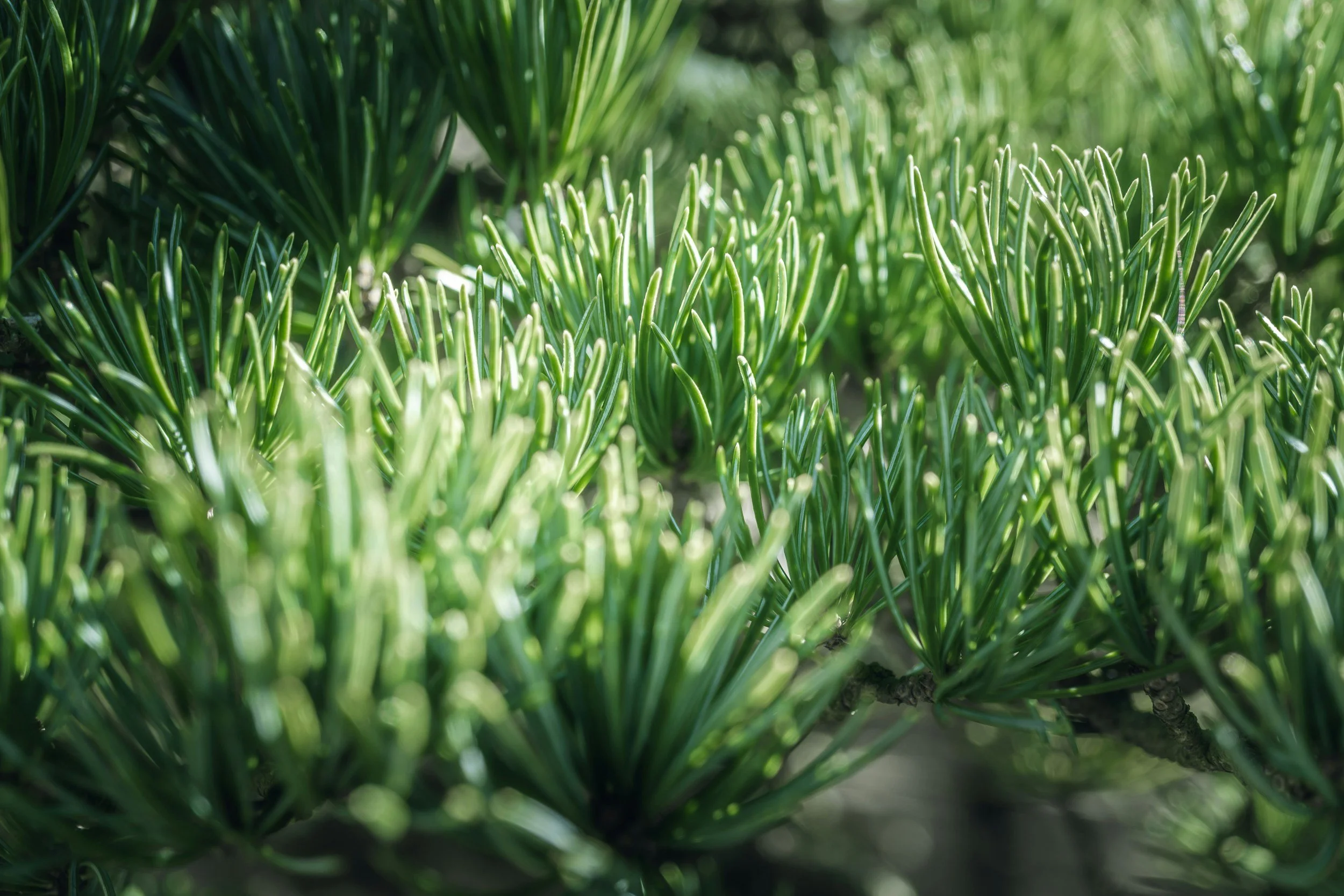
Creating and maintaining a Japanese Garden requires a high level of pruning skill and dedicated annual maintenance. This class covers the pruning of Japanese maples (upright and weeping), bamboo, cloud pruning pines, and shearing masses of lower story plants.
-
Vine Pruning
This class covers pruning and management of some of our most common ornamental vines: wisteria, common varieties of clematis, Boston ivy/Virginia creeper, trumpet vine, and honeysuckle.
-
Rose Pruning
Learn the basics of rose care and pruning, par cularly how to prune the di erent types of roses such as hybrid tea, shrub, and climbing roses.
-
Conifers
Conifers play by different rules. Learn the when and where of conifer pruning to keep them vibrant.
Master Pruner Workshops (2 Renovations + any third workshop required for MP Certificate)
-
Spring Renovation Workshop
Our Renovation Workshops are popular hands-on sessions that feature a low student:teacher ratio and real world experience. Students will practice and develop skills in evaluating and renovating an overgrown garden, working on a variety of plants.
*Prerequisite classes for this workshop are Tree Pruning I, Shrubs I and II, and How to Renovate and Prune the Overgrown Landscape.
-
Fall Renovation Workshop
Our Renovation Workshops are popular hands-on sessions that feature a low student:teacher ratio and real world experience. Students will understand how to evaluate and renovate tproperties, working on a variety of plants.
Fall Renovation Workshops are more likely to involve more than simply pruning. Depending on the property, plants might be transplanted and beds enlarged, but there will be plenty of pruning and discussions about the renovation goals and strategies.
*Prerequisite classes for this workshop are Tree Pruning I, Shrubs I and II, and How to Renovate and Prune the Overgrown Landscape.
-
Japanese Pine Pruning Workshop
The Japanese Pine Pruning Workshop will give you hands-on training with experienced instructor on techniques for pruning pines in the Japanese Garden style. We expect the workshop date to be good for permitting candling on some of the many pines. We will also focus on larger scale shaping and training.
*Prerequisite class for this workshop is Japanese Garden Pruning
-
Winter Fruit Tree Workshop
Experts in the field will demonstrate the basics of fruit tree pruning in small groups, followed by plenty of opportunities for attendees to work on a variety of fruit types.
Demonstrations and hands on learning will be given on a wide variety of fruits (apples, pears, nuts, figs, plums, etc.). Where appropriate, we will discuss pruning that is better tackled in the summer. Our instructor:student ratio will ensure adequate resources to answer all questions during the workshop.
*Prerequisite class for this workshop is Fruit Tree Pruning -
Summer Fruit Tree Workshop
This workshop will be held at a large community garden/orchard in Seattle. Trees that are available include apples, Asian pears, mulberries, plums, persimmons, quince, and almonds. Kiwis and grapes may also be available, and we hope to include discussions and demonstrations on training young trees and working with espaliered apples.
Small groups of students will rotate between stations within the garden to get time with different fruits and also learn different pruning approaches from our instructors. Experts in the field will demonstrate the basics of fruit tree pruning for the fruits types at each station, followed by opportunities for attendees to give it a try -- with ample coaching available as needed.
*Prerequisite class for this workshop is Fruit Tree Pruning
Frequently Asked Questions
-
Sign up for our email updates! In our emails, we will share the workshop registration page and announce the time of open registration 24-48 hours before registration opens. PA members then have roughly 48 hours to register before registration opens for nonmembers. Many workshops fill up quickly, and we have signups for waiting lists.
-
-
One quarter-long pruning class from a college program can substitute the requirement for one of the three required workshops
-
PlantAmnesty teaches one full class series each year and the UWBG ProHort series is offered twice a year. It’s possible to complete the classes and workshops required within one year, but feel free to take them at whatever pace you choose, through either entity. Most students average 2 years to complete.
There is currently no time limit for completing the certification. Workshop availability depends on PlantAmnesty’s finding good teaching properties and can fill up quickly with high demand. For these reasons, it may take more than one year to complete the workshop requirements for the certification. We currently have no viable options to offer a class-only certification without meeting the workshop requirements.
PlantAmnesty aims to offer at least three Renovation Workshops in the spring/early summer and at least one Renovation Workshop in the fall. Some years, we will be able to offer more Renovation Workshops. For specialty workshops, we aim to offer Fruit Tree Workshops in the winter and summer and at least one workshop focused on Japanese pine pruning or Japanese maple pruning. Additional small specialty workshops will be offered as sites and instructors are available.
-
Both! PlantAmnesty offers mostly in-person classes while the UWBG ProHort series is currently all online. Taking any class through either host counts towards your certificate requirements.
-
Yes, recordings of online classes will be available to registrants for 2 weeks after the class date.
-
We are always looking for new private and public workshop sites.
CLICK HERE to see our site requirements.